
 On Cape Cod, winter doesn’t ease in gently. Temperatures can drop fast, winds off the water cut through homes, and heating systems are pushed to their limits when they’re needed most. It’s no coincidence that many homeowners experience boiler issues during the coldest days of the year. In fact, those extreme conditions often reveal problems that have been quietly developing for months.
Understanding why boilers tend to fail during cold snaps can help homeowners take smarter steps toward prevention, reduce the risk of emergency heating repair, and keep their homes comfortable when winter is at its harshest.
Cold Weather Exposes Hidden Weaknesses
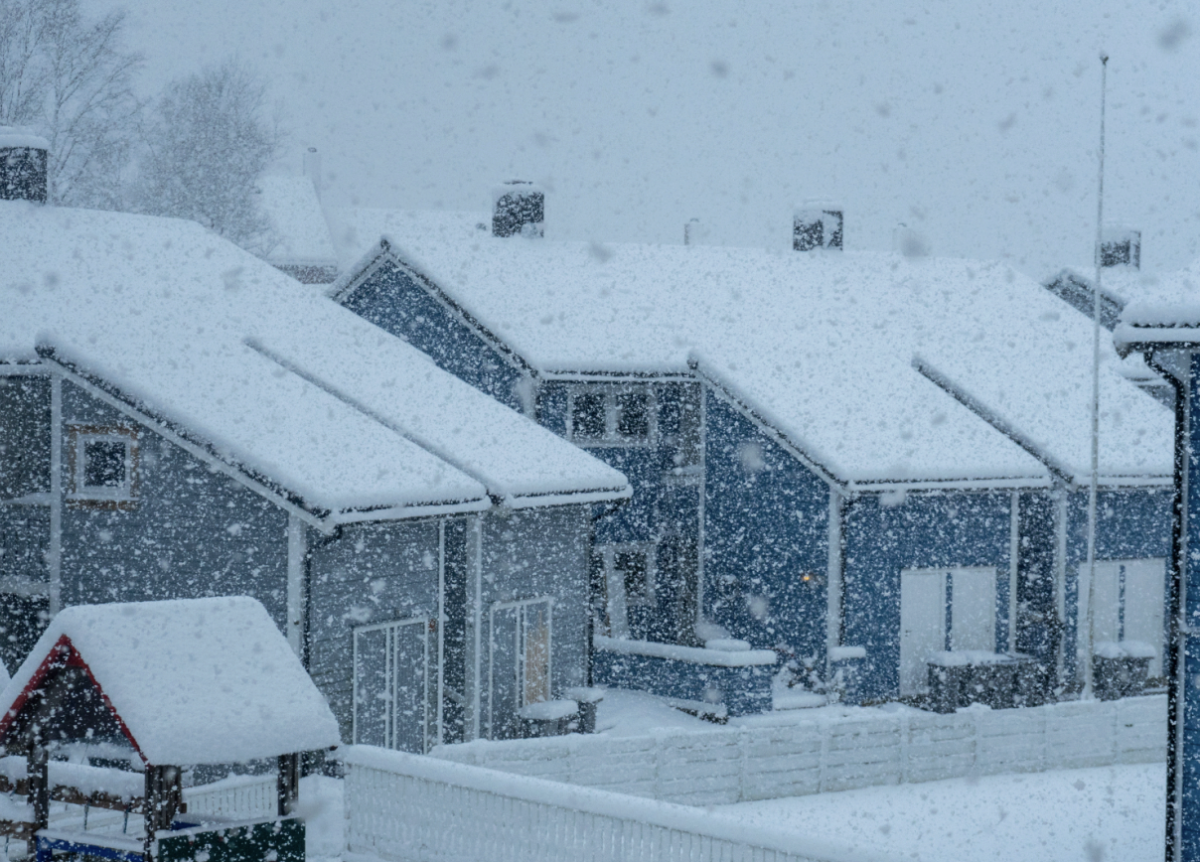
A boiler can appear to be working fine through fall and early winter, only to fail when temperatures plunge. That’s because extreme cold forces the system to run longer and harder than usual. Components that are already worn, dirty, or slightly out of adjustment may not be able to keep up with the demand.
On the Cape, many homes rely on boilers that are older or have been adapted over time to meet changing heating needs. When outdoor temperatures drop into the teens or single digits, any underlying issue, no matter how small, can quickly become a system-wide failure.
Lack of Routine Boiler Maintenance

One of the most common reasons for boiler repair calls during winter is skipped or inconsistent maintenance. Boilers are complex systems that rely on clean burners, proper water pressure, functioning safety controls, and tight electrical connections.
Without regular boiler maintenance, small problems often go unnoticed. Sediment can build up inside the system, reducing efficiency. Valves and seals may wear down. Sensors can drift out of calibration. When the coldest days arrive, those neglected issues finally surface, often at the worst possible time.
For Cape Cod HVAC systems, routine maintenance isn’t just a recommendation, it’s a necessity due to long heating seasons and coastal conditions.
Pressure and Temperature Imbalances
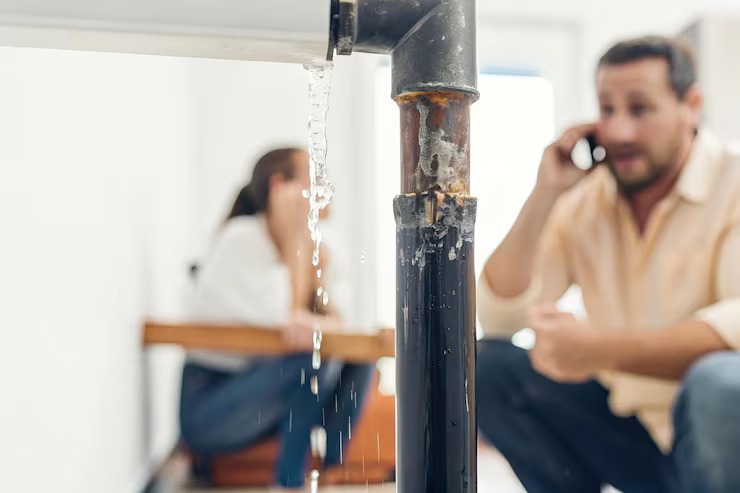
Cold weather places additional stress on boiler pressure and temperature controls. If pressure levels are too low or too high, the boiler may shut down as a safety measure. Frozen or partially frozen pipes can also restrict water flow, leading to pressure changes that trigger system faults. These issues are especially common in homes with older piping, seasonal sections, or areas exposed to drafts. When boilers sense unsafe operating conditions, they’re designed to stop working to prevent damage or danger, leaving homeowners without heat until repairs are made.
Aging Components and Wear Over Time

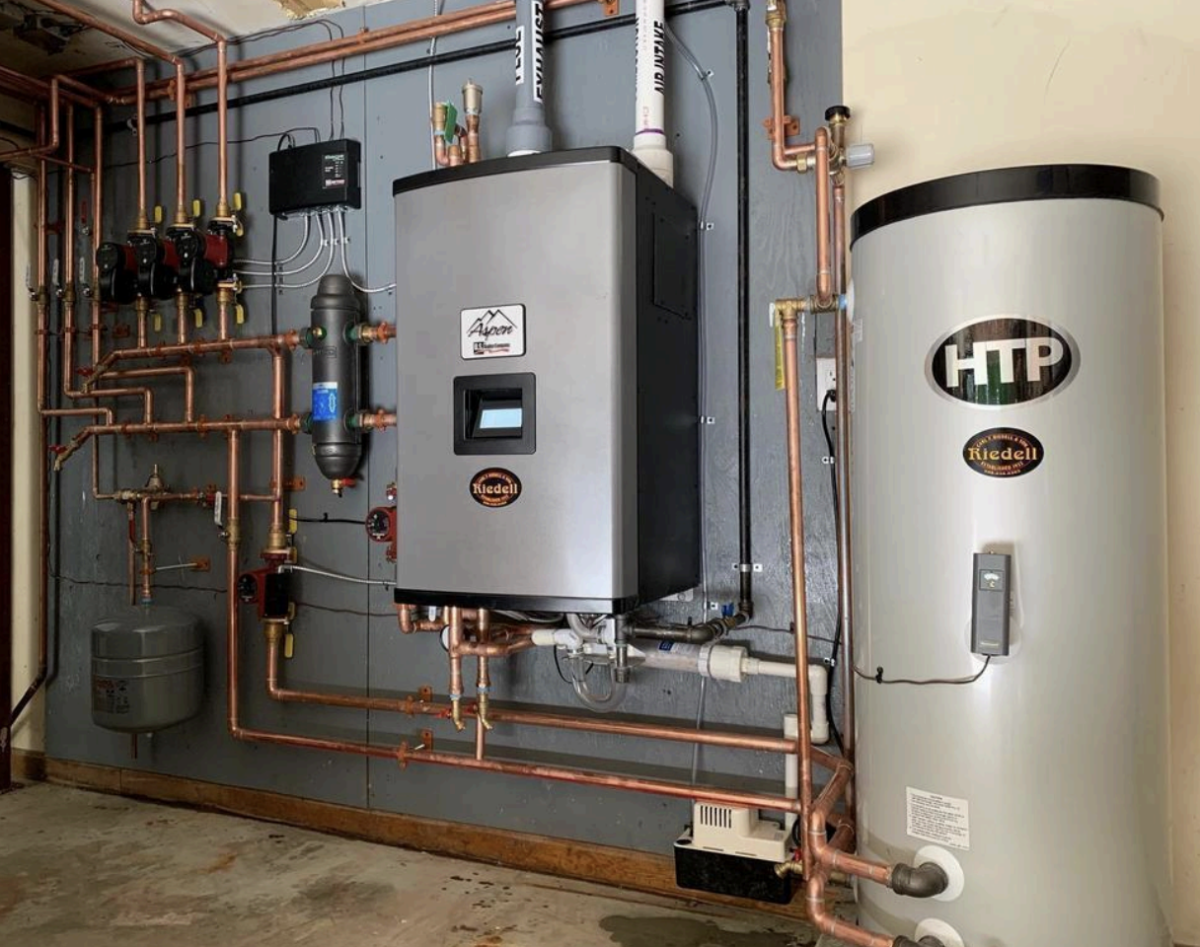
Boilers are built to last, but no system lasts forever. Pumps, expansion tanks, igniters, and control boards all have finite lifespans. During mild weather, failing parts may still function well enough to keep the system running.
The coldest days remove that margin for error. A circulator pump that’s been weakening may finally seize. An igniter nearing the end of its life may fail to light consistently. These breakdowns often lead to emergency heating repair calls when temperatures are at their lowest and service demand is highest.
Fuel Supply and Combustion Issues
Boilers rely on consistent fuel delivery and proper combustion to operate safely and efficiently. In winter, issues such as clogged burners, dirty heat exchangers, or ventilation problems can interrupt that process.
For oil- or gas-fired systems, even minor combustion inefficiencies can prevent the boiler from generating enough heat during extreme cold. Safety controls may shut the system down to prevent unsafe operation, which is why homeowners sometimes experience sudden heat loss without warning.
Why Emergency Repairs Spike During Cold Snaps
When temperatures drop across Cape Cod, every heating system is working overtime. That means service calls increase, parts are under greater strain, and small issues escalate quickly. Emergency boiler repair situations often stem from problems that could have been addressed earlier in the season.
Homeowners typically don’t think about their boiler until it stops working. Unfortunately, the coldest days of winter are when systems are least forgiving, and when repairs can be most disruptive.
How Preventive Maintenance Reduces Risk
While no system is immune to failure, routine boiler maintenance significantly reduces the likelihood of breakdowns during extreme weather. Annual inspections allow heating contractors to identify worn components, clean critical parts, check safety controls, and ensure the system is operating within proper ranges.
For homes across Cape Cod, preventive care helps boilers run more reliably through winter storms and prolonged cold spells. It also gives homeowners peace of mind, knowing their heating system has been checked before it’s pushed to its limits.
Staying Ahead of Winter Heating Problems
Boiler failures rarely happen without warning, they’re usually the result of small, manageable issues that build over time. Understanding how cold weather affects your heating system makes it easier to spot early signs of trouble and take action before a complete breakdown occurs. For Cape homeowners, staying ahead of winter heating problems means fewer surprises, less stress, and a warmer home when it matters most. In the end, the coldest days of the year don’t have to be the most uncomfortable, if your boiler is prepared to handle them.