
Winter on the Cape has its own rhythm. The air turns sharp, nor’easters roll in, and temperatures can drop quickly, sometimes overnight. While the landscape looks beautiful under a dusting of snow, those same conditions can quietly cause one of the most common (and expensive) winter problems for homeowners: frozen pipes.
Every year, local plumbers see the same pattern. A cold snap hits, a pipe freezes, and suddenly a small issue becomes an emergency. The good news? Most frozen pipes are preventable with the right preparation and awareness.
This guide walks through why frozen pipes are such a concern on Cape Cod, where problems usually start, and what homeowners can do, practically and proactively, to avoid winter plumbing damage.
Why Frozen Pipes Are a Bigger Risk on Cape Cod
Frozen pipes happen everywhere, but Cape homes face a few unique challenges.
Many houses on the Cape are older, built long before modern insulation standards. Others are seasonal or vacation properties that sit empty during the coldest months. Add coastal winds, fluctuating temperatures, and crawlspaces or unfinished basements, and you have the perfect conditions for pipes to freeze.
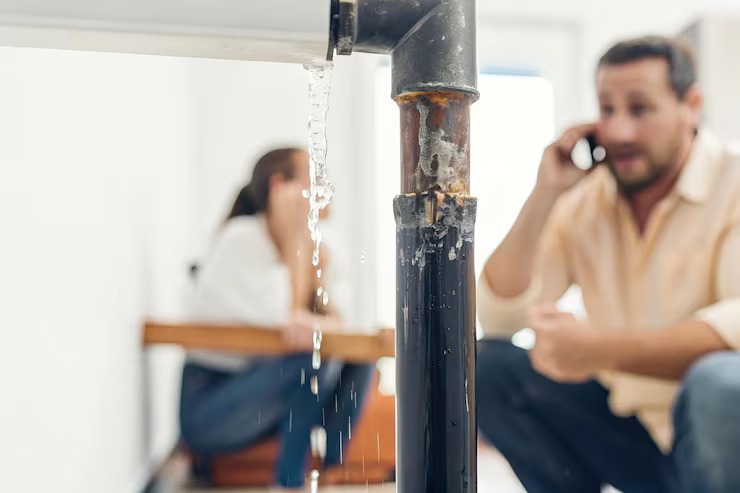
When water inside a pipe freezes, it expands. That pressure can crack copper, PVC, or PEX lines. Often, the pipe doesn’t burst until the ice begins to thaw, when water starts flowing again and finds the weakest point.
That’s when homeowners end up calling an emergency plumber on Cape Cod, usually after discovering water damage that could have been avoided.
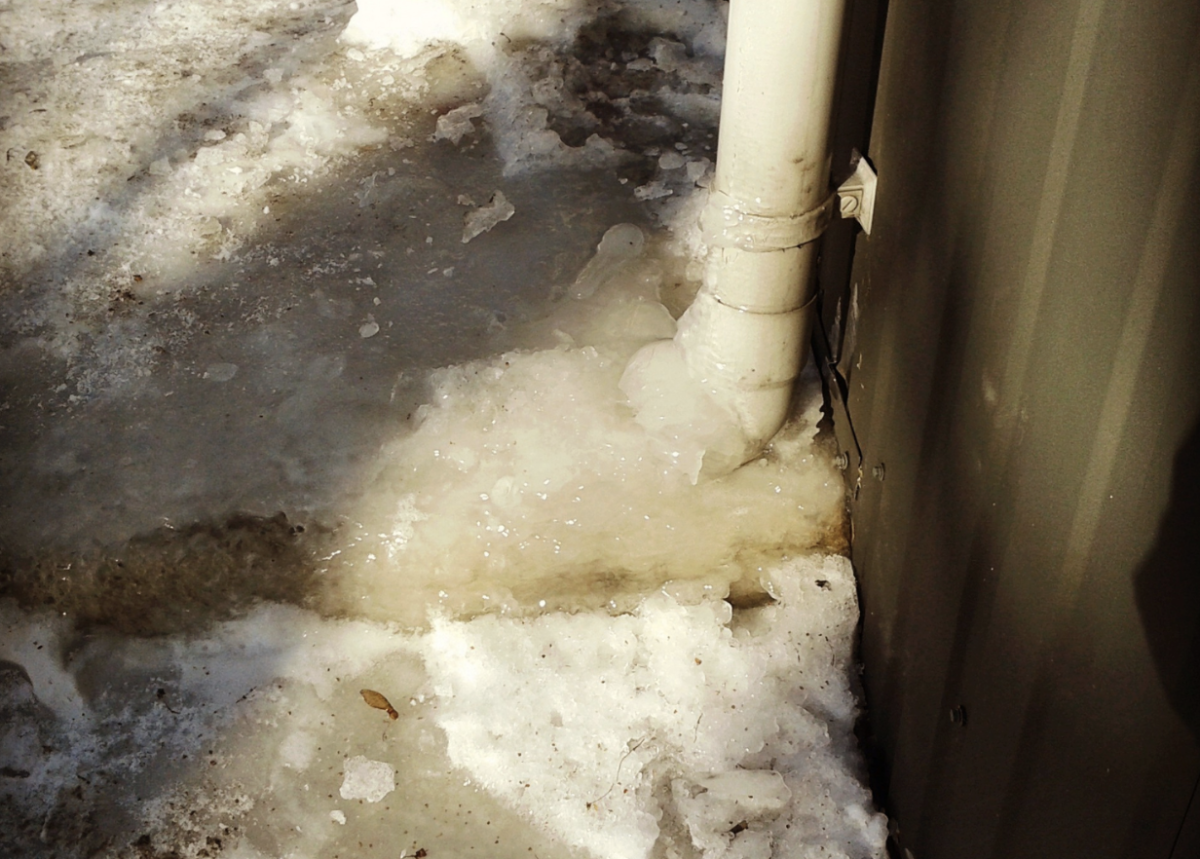
Common Areas Where Pipes Freeze First
Knowing where frozen pipes typically occur helps you focus your winter prep where it matters most.
- Exterior walls – Pipes running along poorly insulated exterior walls are especially vulnerable
- Basements and crawlspaces – Unheated or drafty areas are frequent trouble spots
- Attics – Especially in homes with plumbing routed upward
- Garages – Even attached garages can drop below freezing
- Outdoor plumbing – Hose bibs, irrigation lines, and exterior faucets
If your home has any of these features, winter plumbing preparation isn’t optional, it’s essential.
Winter Plumbing Tips to Prevent Frozen Pipes
Preventing frozen pipes doesn’t require major renovations. Small, consistent steps make the biggest difference.

1. Insulate Exposed Pipes
Pipe insulation is one of the simplest and most effective solutions. Foam sleeves or wraps are inexpensive and widely available across Massachusetts.
Focus on:
- Pipes in basements, crawlspaces, attics, and garages
- Lines near exterior walls
- Any exposed copper or PVC piping
Proper pipe insulation in MA homes can significantly reduce the risk of freezing during cold snaps.
2. Seal Air Leaks and Drafts
Cold air is just as dangerous as low temperatures. Check for drafts around:
- Basement windows
- Rim joists
- Utility penetrations
- Access panels
Sealing gaps with caulk or spray foam helps keep warm air in and cold air out, protecting your plumbing without touching the pipes themselves.
3. Keep a Consistent Indoor Temperature
During extreme cold, lowering your thermostat too much can backfire. Pipes don’t need tropical heat, but they do need consistency.
Even when you’re away:
- Keep the thermostat set to at least 55°F
- Avoid shutting off heat in unused rooms
- Open interior doors to allow warm air to circulate
This is especially important for vacation homes and short-term rentals across the Cape.
4. Let Faucets Drip During Extreme Cold
A slow drip may feel wasteful, but moving water is far less likely to freeze. During particularly cold nights:
- Let faucets connected to vulnerable pipes drip slightly
- Focus on sinks near exterior walls
This simple habit often prevents emergency calls to a Cape plumber during overnight freezes.
5. Disconnect and Drain Outdoor Plumbing
Outdoor plumbing is one of the most overlooked winter risks.
Before winter:
- Disconnect garden hoses
- Shut off exterior water lines (if possible)
- Drain hose bibs completely
Frozen outdoor lines often freeze inward, damaging pipes inside the home.
What to Do If You Suspect a Frozen Pipe
If a faucet stops flowing or only produces a trickle, act quickly, but carefully.
What to do:
- Keep the faucet open
- Apply gentle heat (hair dryer, warm towels)
- Warm the surrounding area
What not to do:
- Don’t use open flames
- Don’t crank heat on one spot only
- Don’t ignore it and “wait it out”
If you can’t locate the frozen section or see signs of leaking, it’s time to call an emergency plumber on Cape Cod. Quick action often prevents a burst pipe and major water damage.
Why Prevention Is Always Cheaper Than Repair
Frozen pipes aren’t just inconvenient, they’re costly. Repairs often involve:
- Pipe replacement
- Water damage cleanup
- Drywall and flooring repairs
- Mold remediation
By comparison, insulation, sealing drafts, and basic winter plumbing prep cost very little and protect your home long-term.
Annual plumbing checkups before winter are also a smart step, especially for older Cape homes with aging systems.
A Smarter Way to Get Through Winter on the Cape
Cape Cod winters are unpredictable. One mild week can be followed by sudden freezing temperatures overnight. Homes that are prepared tend to ride out winter quietly. Homes that aren’t often end up dealing with emergency plumbing calls, water damage, and unnecessary stress.
Taking time now to protect your pipes, whether you live in your home year-round or seasonally, can save money, prevent damage, and keep your winter worry-free.
If you’re ever unsure about your home’s plumbing readiness, a trusted Cape Cod plumber can help identify risks before they turn into emergencies.
Staying warm isn’t just about comfort, it’s about protecting what’s behind the walls.